
The Fumbling Forager is now available as a weekly two-minute radio feature. For information about carrying the program on your station, visit the Audio page.
Have you ever brushed past a patch of wild bergamot or crushed a mint leaf between your fingers and wondered why some plants smell so good?
It turns out those wonderful fragrances aren’t really meant for us.
Plants produce hundreds of different aromatic chemicals that drift through the air, carrying information to the living things around them. To us, they might smell sweet, spicy, citrusy or minty. But to the rest of nature, they’re part of a sophisticated chemical language.
Plants can’t run from danger. They don’t have eyes to see what’s nearby or voices to call for help. Instead, much of their interaction with the world happens through chemistry.
Attracting Pollinators
Sometimes those scents are an invitation.
Flowers release fragrances that help pollinators find them. A bee can detect those chemicals before the flower even comes into view. The scent guides it to nectar, and as the bee moves from flower to flower, it carries pollen with it.
Defending Against Hungry Insects
Other scents serve a very different purpose.
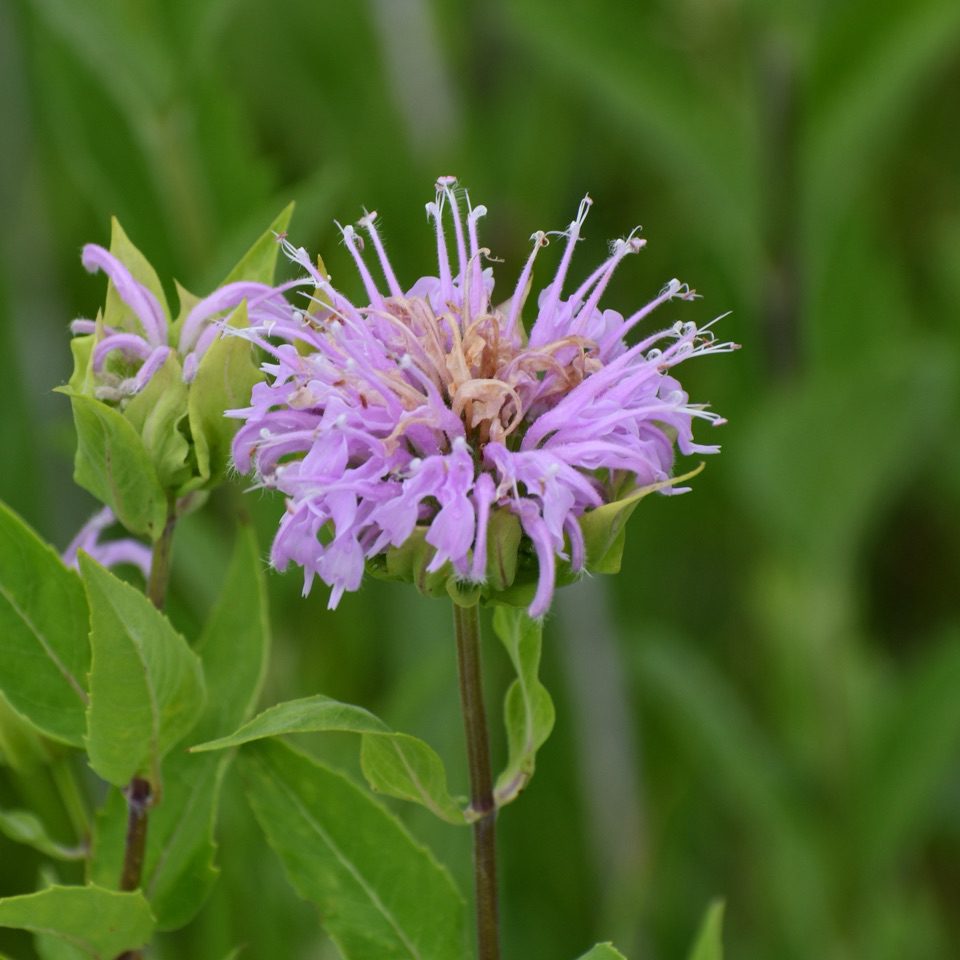
Many herbs in the mint family—including mint, sage, thyme and wild bergamot—produce aromatic oils that make them less appealing to insects and other animals that might want to eat them. Those same oils that make mint tea so refreshing or basil so flavorful are also helping defend the plant.
Plants Can “Talk” to Each Other
The story gets even more remarkable.
Scientists have discovered that some plants release chemicals when insects begin feeding on them. Nearby plants can detect those airborne signals and begin increasing their own chemical defenses before the insects arrive.
Some plants even release compounds that attract insects that prey on the very insects chewing on their leaves. In a sense, the plant is calling for help using chemistry instead of sound.
The more scientists study these interactions, the more they discover that plants are constantly responding to the world around them. While they don’t communicate the way people or animals do, they do exchange information through an invisible network of chemical signals.
The next time you pinch a basil leaf before dinner, rub a sprig of mint between your fingers or catch the fragrance of wild bergamot on a summer walk, remember that you’re experiencing a language that evolved millions of years before we arrived.
Every scent is doing a job.

About the Author:
Sabrina Halvorson is an award-winning journalist, author, and UMN Extension Master Naturalist. She serves as president of the Wild Ones Lake Agassiz Region seedling chapter, is appointed to the World Agriculture Forum, and was named the 2024 NAFB Farm Broadcaster of the Year. Learn more at sabrinahalvorson.com.
Leave a Reply