
Listen to this story as a two-minute radio feature:
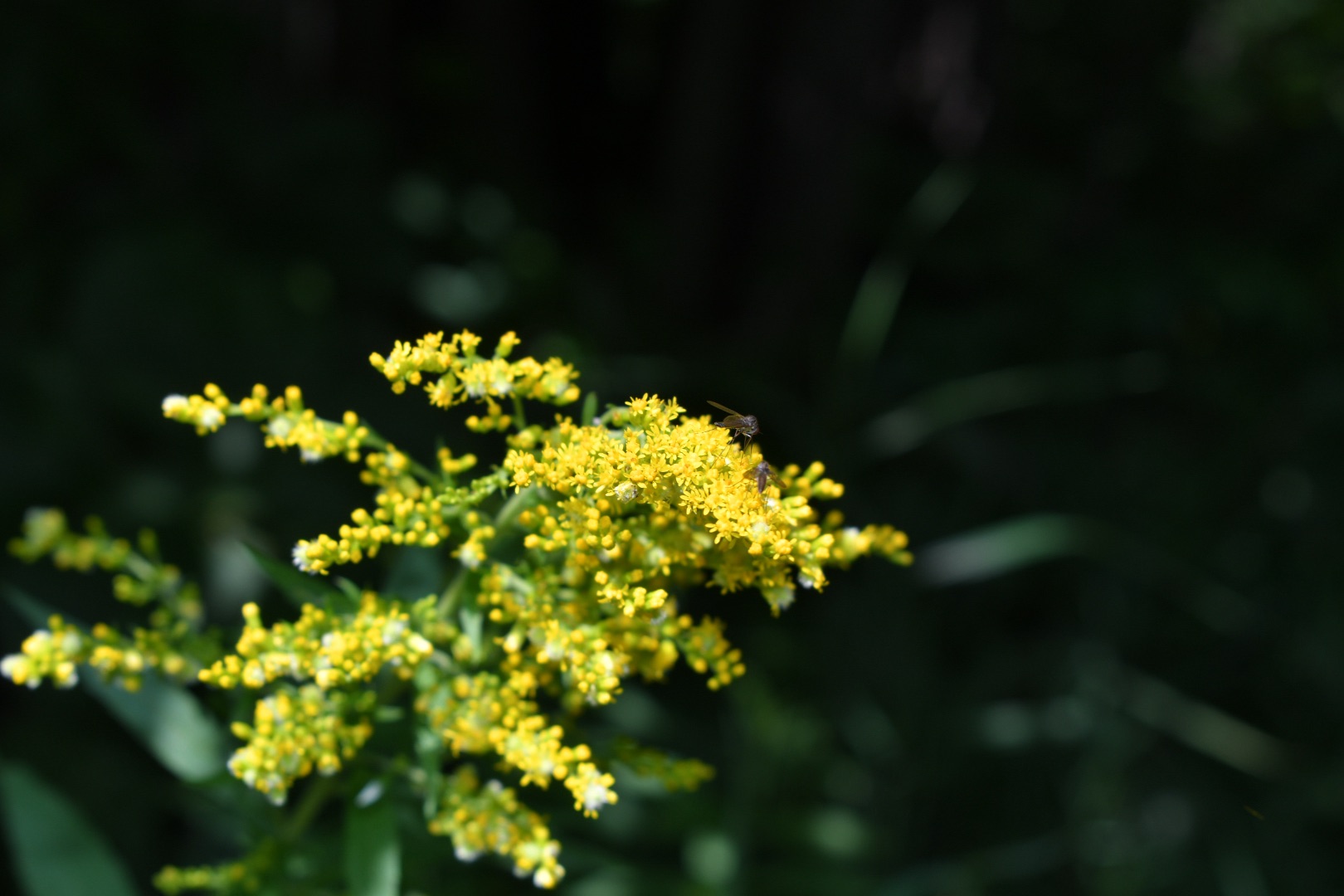
By late summer, the landscape is beginning to change. Many of the flowers that filled spring and early summer have faded, but goldenrods, asters, sneezeweed and other plants are just reaching their peak.
Their timing is no accident. Flowering is controlled by a combination of genetics, environmental conditions and the plant’s stage of development. For many late-blooming species, changing day length is one of the signals that helps set the process in motion.
Plants respond to the changing season
Plants can detect changes in the amount of daylight and darkness they receive. This response is called photoperiodism.
Some plants flower when days exceed a certain length. Others are triggered by the longer nights that arrive as summer begins winding down. Still others are considered day-neutral, which means flowering is influenced more strongly by factors such as temperature or the plant’s maturity.
Day length is only part of the equation. Rainfall, heat, drought and soil conditions can affect when flowers open, how long they remain in bloom and how many flowers a plant produces.
That is why the same species may begin blooming at slightly different times from one year to the next, even though its general place in the seasonal sequence remains the same.
Flowering happens in shifts
Plants growing in the same area do not all flower at once. Instead, blooms appear in a succession that begins in spring and continues until freezing temperatures end the growing season.
This staggered schedule can reduce the amount of direct competition among plants for pollinators. It also allows flowers to overlap with insects that are active at different points in the season.
Some native bees, for example, are active for only a few weeks. Bumblebees may forage for much of the growing season, but the needs of the colony change as summer progresses.
By late summer, a bumblebee colony is approaching the end of its annual cycle. New queens and males are being produced. After mating, the new queens must find enough food to build the energy reserves they will need during winter.
The old queen, workers and males will die as the season ends. Only the newly mated queens survive, sheltering in protected places such as shallow soil, loose leaf litter or other undisturbed cover before emerging the following spring.
Late-blooming flowers help provide the resources those queens need during this critical period.
Migrating monarchs need late flowers
Monarch butterflies are another familiar visitor to late-summer blooms.
The monarchs migrating south in late summer and fall are biologically different from the short-lived generations seen earlier in the season. Earlier adults generally live for only a few weeks. The migratory generation can live for six to nine months.
Eastern monarchs may travel thousands of miles to reach their overwintering grounds in central Mexico. Along the way, they rely on nectar to fuel their flight and build the fat reserves that will help sustain them through winter.

Goldenrods, asters and other fall flowers serve as important fueling stations along that route. Milkweed remains essential for monarch caterpillars, but adult monarchs need nectar from many kinds of flowers.
Late bloomers are working against the clock
Flowering near the end of the growing season comes with a limited reproductive window. A plant must produce flowers, be pollinated and begin developing mature seeds before freezing temperatures shut down growth.
Some seeds are ready to disperse in fall. Others remain in dried flower heads through winter. Depending on the species, those seeds may be carried by wind, eaten and dispersed by animals, or dropped near the parent plant.
Some will not germinate immediately. Many native plant seeds require a period of cold, moist conditions before they are ready to sprout. Winter provides that preparation naturally.
Weather can still alter the schedule. Drought may reduce the number of flowers or shorten the blooming period. Warm fall temperatures can extend flowering, while an early hard frost may bring it to a quick end.
Keeping flowers available through fall
A landscape with flowers from spring through fall provides more consistent food for pollinators than one that produces a single burst of color.
Late-blooming native plants are an important part of that sequence. Goldenrods and asters are among the best-known choices, but the right plants will vary by region and growing conditions.
Adding several species with overlapping bloom times can help keep nectar and pollen available as summer fades and insects prepare for migration, reproduction or winter.
Late summer may look like the beginning of the end of the growing season. For goldenrods, asters and the pollinators visiting them, it is still a very active time.

About the Author:
Sabrina Halvorson is an award-winning journalist, author, and UMN Extension Master Naturalist. She serves as president of the Wild Ones Lake Agassiz Region seedling chapter, is appointed to the World Agriculture Forum, and was named the 2024 NAFB Farm Broadcaster of the Year. Learn more at sabrinahalvorson.com.
Leave a Reply