-

·
Native or invasive? The easy trick for identifying cattails
At first glance, cattails all look pretty much the same. But if you take a closer look at the flower spike, one small detail can tell you whether you’re looking at broadleaf cattail or narrowleaf cattail. Related: Why Cattails Are the Ultimate Survival Plant The flower spike is made up of two parts. The upper…
-

·
Pineapple Weed: Chamomile’s fruity cousin
Pineapple weed (*Matricaria discoidea*) is a close relative of German chamomile that often grows unnoticed in sidewalks, gravel driveways and other disturbed areas. Learn how to identify this fragrant wild herb, explore its traditional uses, and discover why harvest location is important.
-
·
5 Senses of Plant Identification
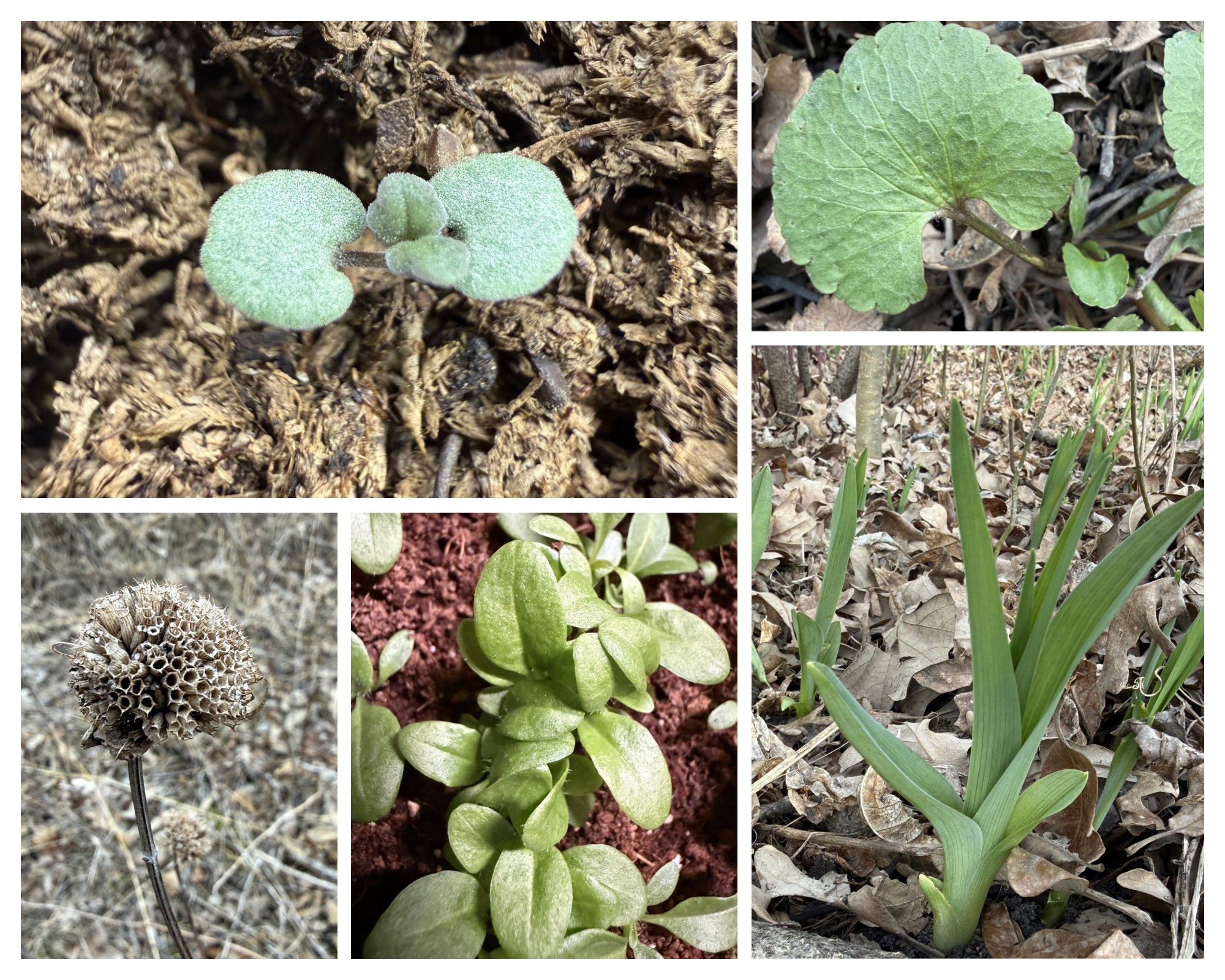
Plant identification isn’t just about what you see. By using all five senses(sight, touch, smell, taste, and even sound) you can get better clues and make more confident identifications.
-
·
Introducing The Fumbling Forager’s Guide to the Northern Plains
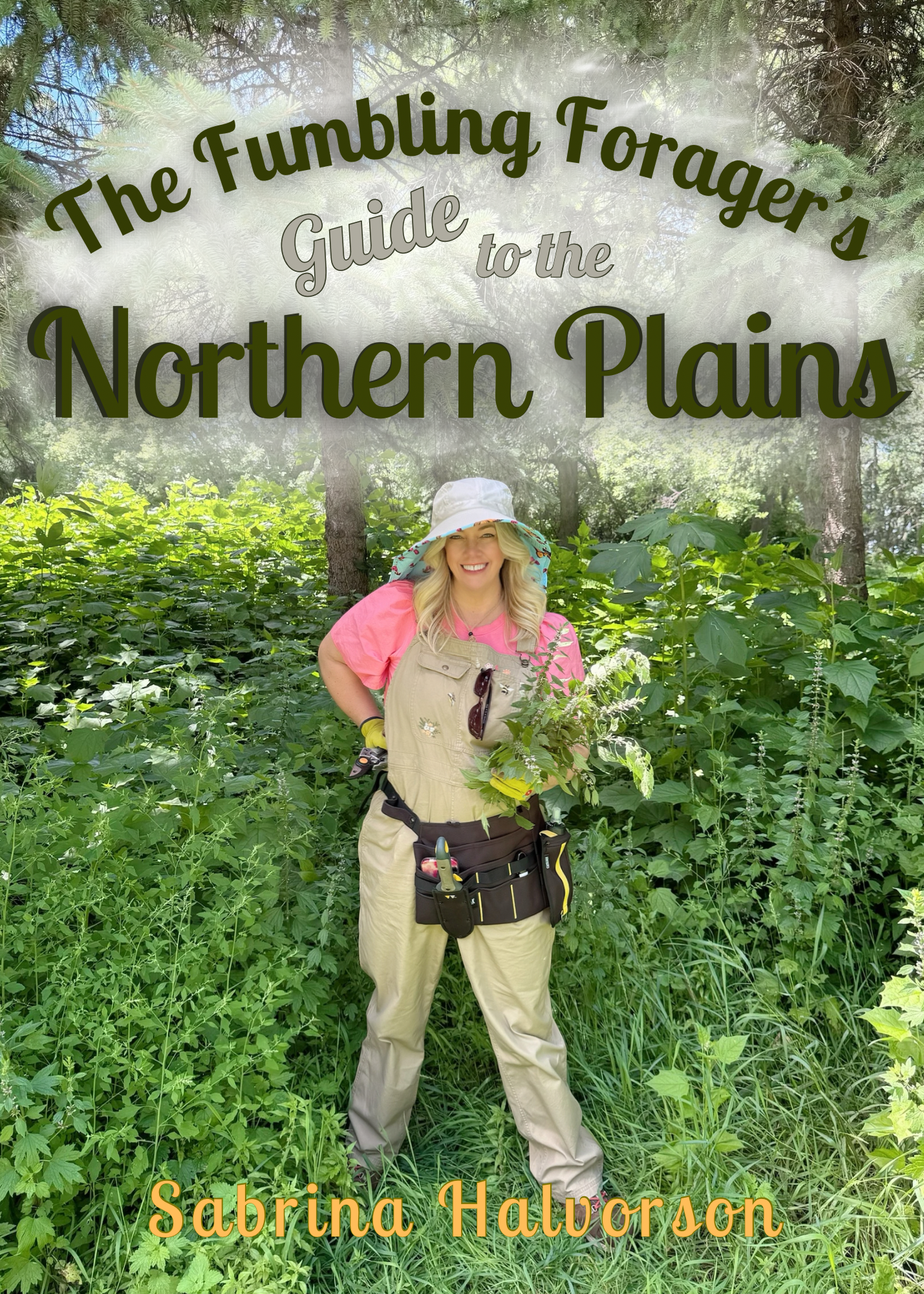
I’ve been a little quiet on the website recently and that’s because I’ve been secretly working on another project. And now, I am thrilled to introduce you to The Fumbling Forager’s Guide to the Northern Plains. The book is finally here Today is launch day for my book, The Fumbling Forager’s Guide to the Northern…
-
·
Why Cattails are The Ultimate Survival Plant
If people across the U.S. were suddenly forced to rely on the land again, cattails would be one of the most important plants to know. They are widespread, easy to identify, and provide food, materials, and practical uses from a single plant.
-
·
The Herbalist as Teacher, Not Merchant
I’ve recently started selling some herbal products in a local store under my brand, Brigid & Bri Botanicals and Bee-Wares. While I’m excited about that and genuinely love making things for people to use (especially when it introduces them to herbalism), I’ve also found myself thinking more deeply about the role of the herbalist. And…
-
·
Wild Rice as a Living Food Tradition
Wild rice is one of the few foods in North America that is still gathered, prepared, and eaten much as it has been for generations. The species most commonly referred to as wild rice, Zizania palustris, is native to the upper Great Lakes region and occurs naturally in Minnesota, Wisconsin, and Michigan, as well as…
-
·
Pine Needles: The needed green among the winter white
I’ve been absent for a few weeks, but I’m happy to be back! I’ve been swamped with my “day job,” which is running a nonprofit news organization. Add in the usual holiday bustle and—most exciting of all—the fact that I’ve officially completed my training to become a Minnesota Master Naturalist, and… whew! It’s been a…
-
·
Wild Plums
Depending on where you are, it may be too late in the season for wild plums, but I wanted to write about them this week, anyway. I grew up in Central California, where plums are a plentiful agricultural crop, grown in beautiful, cultivated orchards. I never considered that they also grew freely in the wild…
-
·
Burdock root: 5 simple tips for successful foraging
Fall marks the start of root season. Once the aboveground parts of many plants begin to die back, their energy moves deep into the soil. For foragers, that means it’s the best time to dig nutrient-rich roots like burdock root. It’s hardy, abundant, and easy to recognize once you know what to look for. Burdock…